Exploring AI Solutions for Modern Robotics Applications
- david59561
- Oct 8, 2025
- 3 min read
In recent years, artificial intelligence (AI) has transformed many industries, and robotics is no exception. The integration of AI into robotics has opened up new possibilities, making machines smarter, more efficient, and capable of performing complex tasks. This blog post will explore how AI solutions are shaping modern robotics applications, highlighting specific examples and practical insights.
The Rise of AI in Robotics
AI has become a game-changer in the field of robotics. Traditionally, robots were programmed to perform specific tasks, often requiring extensive human intervention. However, with the advent of AI, robots can now learn from their environment, adapt to new situations, and make decisions on their own.
This shift has led to the development of autonomous robots that can navigate complex environments without human guidance. For instance, self-driving cars use AI algorithms to interpret data from sensors, allowing them to make real-time decisions on the road. This technology is not only revolutionizing transportation but also paving the way for safer and more efficient travel.
Enhancing Industrial Automation
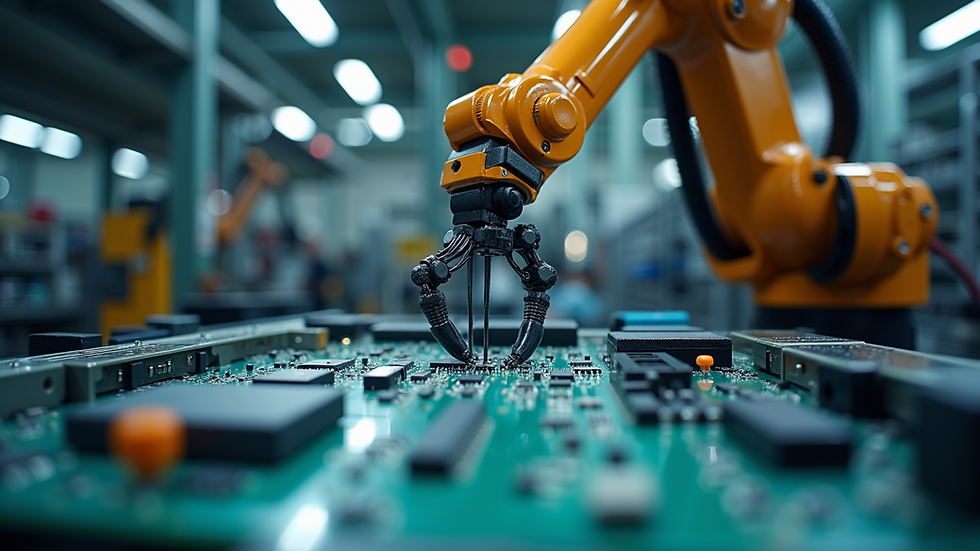
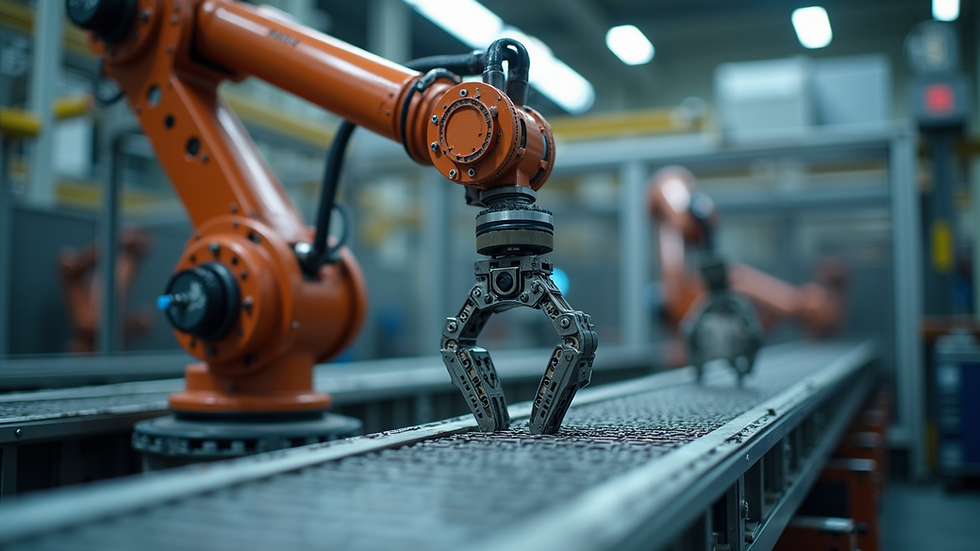
One of the most significant applications of AI in robotics is in industrial automation. Factories are increasingly adopting AI-powered robots to streamline production processes. These robots can perform repetitive tasks with precision and speed, reducing the risk of human error.
For example, companies like Amazon use AI-driven robots in their warehouses to pick and pack items. These robots can navigate through aisles, identify products, and deliver them to human workers or shipping areas. This not only speeds up the fulfillment process but also allows human workers to focus on more complex tasks.
AI in Healthcare Robotics
The healthcare sector is also benefiting from AI solutions in robotics. Surgical robots, for instance, are becoming more common in operating rooms. These robots assist surgeons by providing enhanced precision and control during procedures.
A notable example is the da Vinci Surgical System, which uses AI to help surgeons perform minimally invasive surgeries. The system translates the surgeon's hand movements into smaller, more precise movements of tiny instruments inside the patient's body. This technology leads to quicker recovery times and less pain for patients.
Robotics in Agriculture
Agriculture is another field where AI-powered robots are making a significant impact. Farmers are increasingly using robots to automate tasks such as planting, harvesting, and monitoring crops. These robots can analyze soil conditions, weather patterns, and crop health, allowing farmers to make data-driven decisions.
For instance, companies like Blue River Technology have developed robots that use AI to identify and target weeds in fields. By applying herbicides only where needed, these robots reduce chemical usage and promote sustainable farming practices. This not only benefits the environment but also improves crop yields.
The Role of AI in Service Robots
Service robots are becoming more prevalent in various industries, from hospitality to retail. These robots use AI to interact with customers, provide information, and perform tasks that enhance the customer experience.
A great example is the use of robots in hotels. Some hotels have introduced robotic concierges that can check guests in, provide information about local attractions, and even deliver items to rooms. These robots not only improve efficiency but also create a unique and memorable experience for guests.
Challenges and Considerations
While the integration of AI in robotics offers numerous benefits, it also presents challenges. One major concern is the potential for job displacement. As robots become more capable, there is a fear that they may replace human workers in various industries.
However, it is essential to recognize that AI and robotics can also create new job opportunities. As robots take over repetitive tasks, humans can focus on more complex and creative roles. The key is to ensure that workers are equipped with the necessary skills to thrive in an increasingly automated world.
The Future of AI in Robotics
Looking ahead, the future of AI in robotics is promising. As technology continues to advance, we can expect to see even more innovative applications. From smart homes to autonomous drones, the possibilities are endless.
Moreover, the collaboration between humans and robots will likely become more seamless. With advancements in AI, robots will be able to understand and respond to human emotions, making interactions more natural and intuitive.
Conclusion: Embracing the Future of Robotics
The integration of AI solutions in modern robotics applications is transforming industries and enhancing our daily lives. From industrial automation to healthcare and agriculture, AI-powered robots are proving to be invaluable assets.
As we embrace this technological revolution, it is crucial to address the challenges that come with it. By focusing on education and skill development, we can ensure that the workforce is prepared for the future.
The journey of AI in robotics is just beginning, and the potential for innovation is limitless. As we move forward, we must remain open to the possibilities and work together to create a future where humans and robots coexist harmoniously.
Comments