AI Technologies Transforming the Robotics Industry Today
- david59561
- Oct 8, 2025
- 4 min read
The world of robotics is changing rapidly, and artificial intelligence (AI) is at the forefront of this transformation. From manufacturing to healthcare, AI technologies are enhancing the capabilities of robots, making them smarter and more efficient. This blog post will explore how AI is reshaping the robotics industry, highlighting key technologies and their applications.
Understanding AI in Robotics
AI refers to the simulation of human intelligence in machines. In robotics, AI enables robots to perform tasks that typically require human intelligence. This includes learning from experience, understanding natural language, and making decisions based on data.
Machine Learning: The Brain of Robotics
Machine learning is a subset of AI that allows robots to learn from data. By analyzing large datasets, robots can improve their performance over time. For example, a robot used in manufacturing can learn to identify defects in products by analyzing images of items on the assembly line.
Example: A company called Siemens uses machine learning in its manufacturing robots. These robots can detect flaws in products with high accuracy, reducing waste and improving quality.
Computer Vision: Seeing the World
Computer vision is another critical AI technology in robotics. It enables robots to interpret and understand visual information from the world around them. This technology is essential for tasks like navigation, object recognition, and even facial recognition.
Example: Autonomous vehicles use computer vision to navigate roads and avoid obstacles. Companies like Waymo and Tesla are leading the way in developing self-driving cars that rely heavily on this technology.
Natural Language Processing: Talking to Robots
Natural language processing (NLP) allows robots to understand and respond to human language. This technology is crucial for creating more interactive and user-friendly robots. With NLP, robots can take commands, answer questions, and even engage in conversations.
Example: Customer service robots in retail stores use NLP to assist shoppers. They can answer questions about products, provide recommendations, and help with checkout processes.
The Impact of AI on Robotics
The integration of AI technologies into robotics has led to significant advancements in various industries. Here are some key areas where AI is making a difference.
Manufacturing: Efficiency and Precision
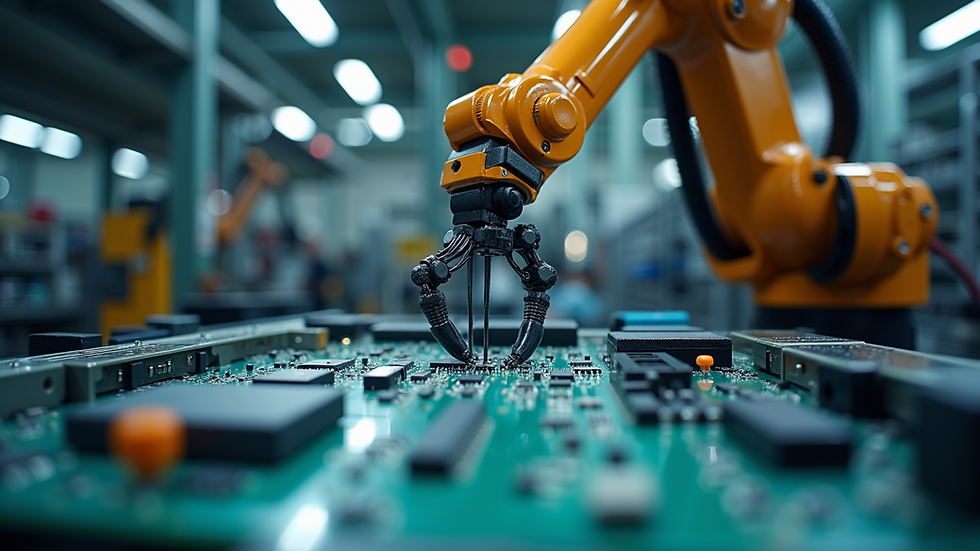
In manufacturing, AI-powered robots are streamlining production processes. They can work alongside human workers, taking on repetitive tasks and allowing humans to focus on more complex activities. This collaboration enhances efficiency and precision.
Example: Companies like Foxconn use AI robots to assemble electronics. These robots can perform tasks like soldering and quality inspection, significantly speeding up production times.
Healthcare: Improving Patient Care
In healthcare, AI technologies are transforming how robots assist medical professionals. Surgical robots, for instance, can perform delicate procedures with high precision. AI helps these robots analyze patient data and make real-time decisions during surgery.
Example: The da Vinci Surgical System is a well-known robotic surgical platform that uses AI to assist surgeons. It allows for minimally invasive procedures, leading to quicker recovery times for patients.
Agriculture: Smart Farming
AI is also making waves in agriculture. Robots equipped with AI can monitor crops, identify pests, and even harvest produce. This technology helps farmers increase yields and reduce the use of pesticides.
Example: Companies like Blue River Technology use AI-powered robots to identify and spray weeds in fields. This targeted approach minimizes chemical use and promotes sustainable farming practices.
Challenges and Considerations
While AI technologies are revolutionizing the robotics industry, there are challenges to consider.
Ethical Concerns
As robots become more autonomous, ethical concerns arise. Questions about job displacement, privacy, and decision-making in critical situations need to be addressed.
Example: The use of AI in military drones raises ethical questions about accountability and the potential for misuse.
Technical Limitations
Despite advancements, AI technologies still face technical limitations. Robots may struggle with complex tasks that require human-like reasoning or emotional intelligence.
Example: While robots can perform specific tasks well, they may not handle unexpected situations as effectively as humans.
The Future of AI in Robotics
Looking ahead, the future of AI in robotics is promising. As technology continues to evolve, we can expect even more sophisticated robots that can perform a wider range of tasks.
Enhanced Collaboration
Future robots will likely work more closely with humans, enhancing collaboration in various fields. This partnership will lead to increased productivity and innovation.
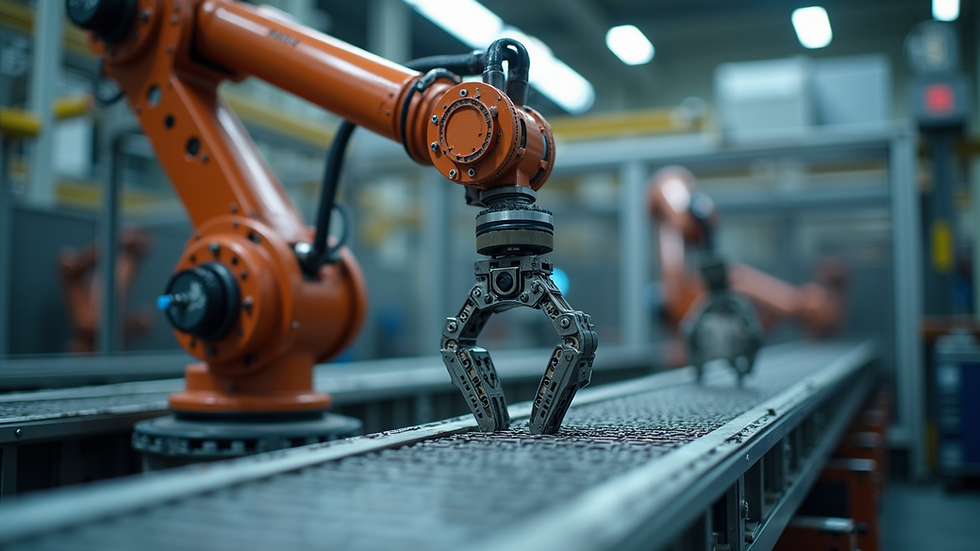
Example: Collaborative robots, or cobots, are already being used in manufacturing. These robots are designed to work alongside human workers, improving efficiency and safety.
Greater Autonomy
As AI technologies advance, robots will become more autonomous. This means they will be able to make decisions and perform tasks with minimal human intervention.
Example: Autonomous delivery robots are already being tested in urban areas. These robots can navigate streets and deliver packages without human assistance.
Conclusion: Embracing the Future of Robotics
AI technologies are undeniably transforming the robotics industry. From manufacturing to healthcare, the impact is profound and far-reaching. As we embrace these advancements, it is essential to consider the ethical implications and technical challenges that come with them.
The future of robotics is bright, and with continued innovation, we can expect to see robots that are not only smarter but also more capable of enhancing our daily lives. The journey has just begun, and the possibilities are endless.
Comments